I’m back. I know it’s been a long time since I’ve posted anything, but often life intervenes in ways we don’t always anticipate.
I’d like to talk today about the difference between “psychotic” and “psychopathic.” Trust me, there’s a vast difference. In the media, however, the two are often used interchangeably. They’re not. Let’s take a look at the differences.

Photo credit: http://www.quickanddirtytips.com/health-fitness/mental-health/how-to-identify-a-psychopath-or-sociopath
Psychotic
This is a term used that refers to someone who is suffering from a serious mental illness such as schizophrenia or other such disorders. It implies that the sufferer has lost touch with reality and is experiencing delusions and/or hallucinations. According to MedLine Plus: (https://www.nlm.nih.gov/medlineplus/psychoticdisorders.html)
Psychotic disorders are severe mental disorders that cause abnormal thinking and perceptions. People with psychoses lose touch with reality. Two of the main symptoms are delusions and hallucinations. Delusions are false beliefs, such as thinking that someone is plotting against you or that the TV is sending you secret messages. Hallucinations are false perceptions, such as hearing, seeing, or feeling something that is not there.
Psychopathic
This term refers to someone who has a serious personality disorder often referred to as Antisocial Personality Disorder. According to Psychology Today (https://www.psychologytoday.com/basics/psychopathy) , psychopaths often appear almost normal.
Psychopathy is among the most difficult disorders to spot. The psychopath can appear normal, even charming. Underneath, they lack conscience and empathy, making them manipulative, volatile and often (but by no means always) criminal. They are an object of popular fascination and clinical anguish: adult psychopathy is largely impervious to treatment, though programs are in place to treat callous, unemotional youth in hopes of preventing them from maturing into psychopaths.
Psychotic vs Psychopathic
As you can see, they really are different. It is true that the psychopath will often display some disordered thinking, usually narcissistic. We can also see disordered thinking in the fantasies held by psychopathic serial killers. Most professionals would agree that these fantasies don’t quite reach the criteria to be called delusions. (I know, that sounds like hair splitting and it may just be so.)
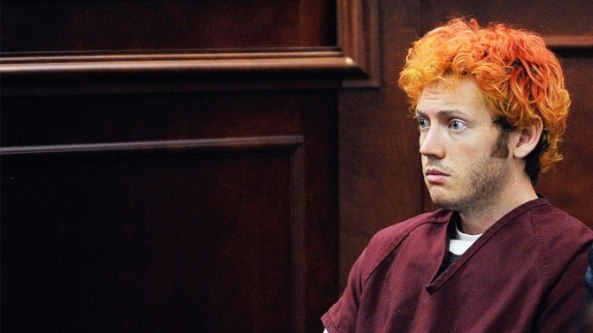
One important distinction for you crime writers out there: psychotic killers are usually “disorganized” while the psychopathic is more often “organized.” Psychotic killers are going to have a much more difficult time planning out “the perfect crime.” Not to say they can’t do some pretty extensive planning. They can. The mass murder at the Aurora, CO, movie theater involved multiple weapons, tear gas, and tactical clothing, to say nothing of the explosives rigged in the shooter’s home. That all sounds pretty organized, doesn’t it? Still, Holmes was caught in the parking lot, waiting around and watching the chaos. That doesn’t sound very logical or organized.
On the other hand, let’s look at the Ted Bundy, the quintessential psychopathic serial killer. He operated during the 1970s and is often described as charming and manipulative. He cared nothing for his victims and totally lacked empathy or remorse. Towards the end, he did become less organized which led to his capture and trial. At no time, however, did Bundy evidence anything like delusions or hallucinations. From what I’ve read, he maintained his manipulative behavior right up to the end.

Takeaway
What’s the bottom line here?
* A Psychotic and a Psychopath are NOT the same.
Yes, you can have a character making the error, but I ask you, please have another character correct the error. I don’t think any one of us wants to perpetuate false information. You can use the distinction to further your story’s search for a killer (assuming you’re writing a mystery or thriller).
Suggested Assignments
- Develop a dialog in which one character corrects another for believing psychotic and psychopathic are the same.
- Develop a character who is either psychotic or psychopathic. Show the character in a brief vignette.
Feel free to ask any questions you might have. I’d be happy to help.
 Psychology and Writers

